

Patient Resources

Gabriel Liboiron-Cohen, Doctor of Audiology
Music can hold a lifetime of meaning. It might be the instrument you have played since childhood, the choir you look forward to each week, or the song that brings you straight back to a favourite memory.
When hearing changes, questions about music can feel especially personal. Will my instrument sound different? Will I still be able to follow the other performers? How will hearing aids affect the music I love?
Your musical life deserves a place in your hearing care. The way you listen, the environments you spend time in and the sounds you value can all help shape a useful conversation with your audiologist.
For anyone who plays, performs or simply enjoys music, that is a valuable place to begin.
Dr. Gabriel Liboiron-Cohen brings his background as a professional singer to his work as an audiologist at Berkeley Hearing Center. He understands why the details of sound matter, whether you perform for a living or listen for pleasure.
Watch: Music matters. So does your hearing. In this 77-second video, Dr. Liboiron-Cohen discusses musicians’ concerns, adjusting to amplification and care that reflects the individual.
Hear the music and the people around it
For a musician, hearing is involved in far more than recognising a melody. It helps you judge pitch, respond to changes in rhythm, blend with other performers and listen to your own instrument within a group.
There is also the conversation around the music: an instruction from a conductor, a comment from a fellow performer, or a discussion during rehearsal. Following these exchanges can be just as important as hearing the music itself.
That distinction matters. When you speak with an audiologist, explaining where you struggle can be just as useful as explaining which sounds seem quieter. Your goals might include following rehearsal instructions, enjoying recorded music at home or feeling more comfortable playing with others.
Make room for your concerns
If you have spent years developing a close relationship with sound, the idea of hearing differently can raise questions about confidence, identity and how other people might respond. It is understandable to want to know how hearing aids could affect your experience of music.
Those feelings deserve an open conversation. You should feel comfortable discussing worries about appearance, sound quality, performing or using technology around other musicians.
Seeking advice gives you an opportunity to explain those concerns and understand your options. You do not need to arrive with all the answers, or know exactly what kind of support you might need.
Talk about music during your appointment
Musical listening is worth discussing specifically during hearing care appointments. Hearing aids are primarily designed to support speech, and music presents different listening demands. Some musicians and music lovers may benefit from a dedicated music setting or adjustments made by a trained audiologist, depending on their hearing needs and devices. ASHA explains the role of individual hearing aid fitting and adjustment.
Be specific about your musical life. Tell your audiologist which instrument you play, whether you sing, where you rehearse and what you notice when listening. If a familiar recording sounds different, describe what has changed. If one setting works well for conversation but feels less comfortable during music, explain that too.
A flute player and a double bass player may describe very different priorities, just as a professional performer and someone who enjoys music at home may have different goals.
Questions to bring to your appointment
A few specific questions can help you explain what you need from your hearing care:
Which settings would you recommend for conversation, live music and recorded music?
Could my hearing aid settings be adjusted for my instrument and rehearsal space?
What changes should I note while I am getting used to my hearing aids?
When should we review how things are sounding?
You might bring the name of a familiar recording or a few notes about a difficult rehearsal. Explain what sounds different and what you would like to hear more comfortably. These details make the conversation more useful than simply saying that music does not sound right.
Keep the conversation going
Getting used to hearing aids can take time and patience. Follow-up appointments provide an opportunity to discuss comfort, sound quality and the situations you find challenging. Your audiologist can help you understand your devices and work with you on appropriate adjustments. The NIDCD offers information about adjusting to hearing aids.
It can help to keep a few brief notes between appointments. Record the listening situation, what you noticed and what you hoped to hear more comfortably. Concrete examples give you something useful to bring into the conversation.
The people around you can also be part of that discussion. Family members, friends and fellow musicians may help you describe situations that are difficult or understand the changes you are working through. An open conversation can help them understand how to support you.
Build protection into your musical routine
Hearing protection deserves a place in your musical routine too. Rehearsals, performances and amplified music can involve potentially harmful sound levels. Reducing exposure, moving away from loud sound and using suitable hearing protection are practical ways to help protect your hearing. High-fidelity earplugs are designed to reduce sound levels more evenly across pitches, making them an option worth discussing with a hearing care professional. Learn more about hearing protectors from the NIDCD.
Your listening goals matter
You do not have to be a professional musician for these conversations to matter. Singing with friends, attending concerts and enjoying a favourite album are all worthwhile listening goals.
At Berkeley Hearing Center, we want to understand the sounds and experiences that matter to you. If music has become harder to enjoy, or you have questions about hearing aids and musical listening, contact our team to arrange a hearing evaluation.
Tell us what you love listening to, what you have noticed and what you would like help with. Your connection to music belongs in the conversation about your hearing.
More for musicians and music lovers
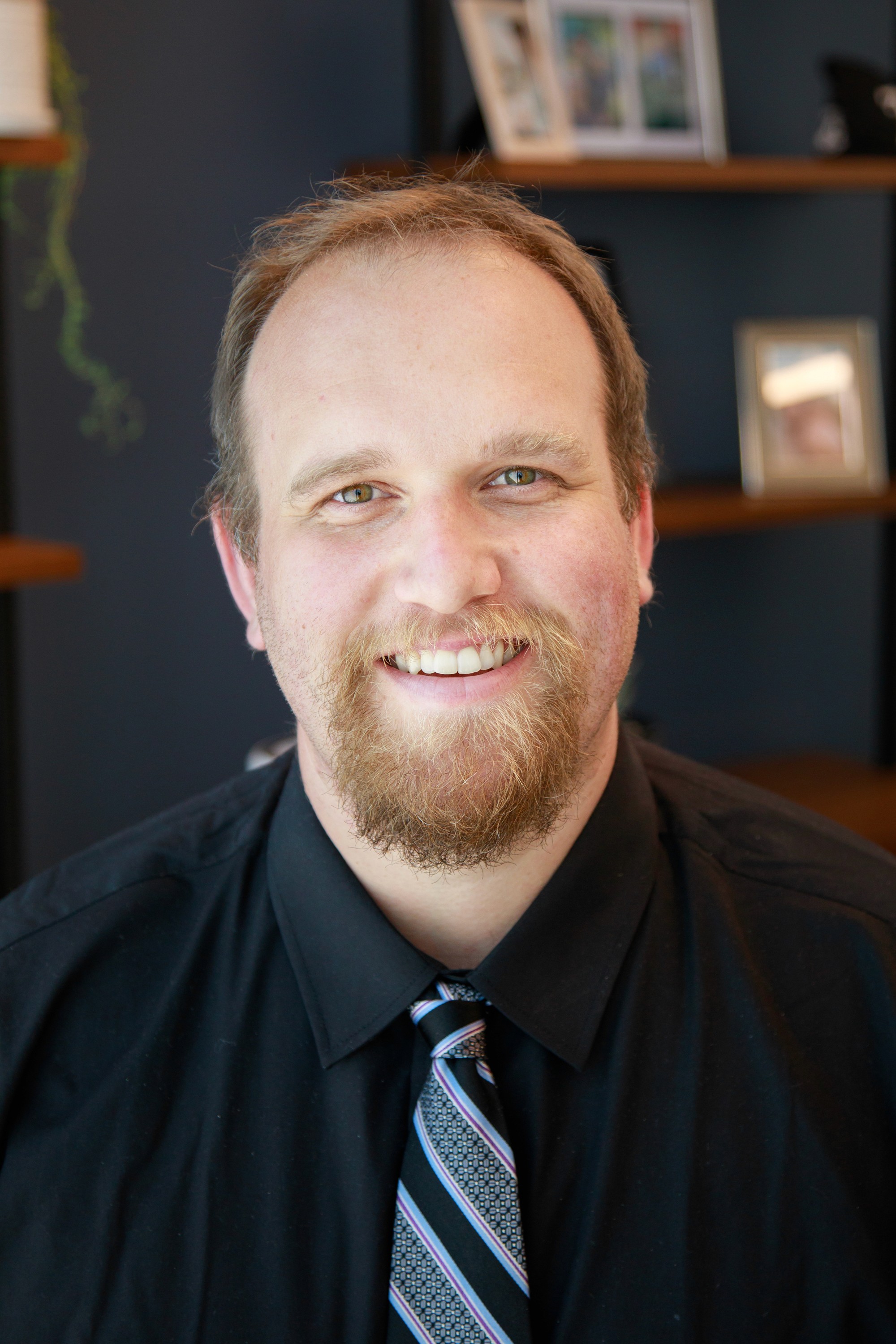
Gabriel Liboiron-Cohen, Doctor of Audiology

