

Patient Resources

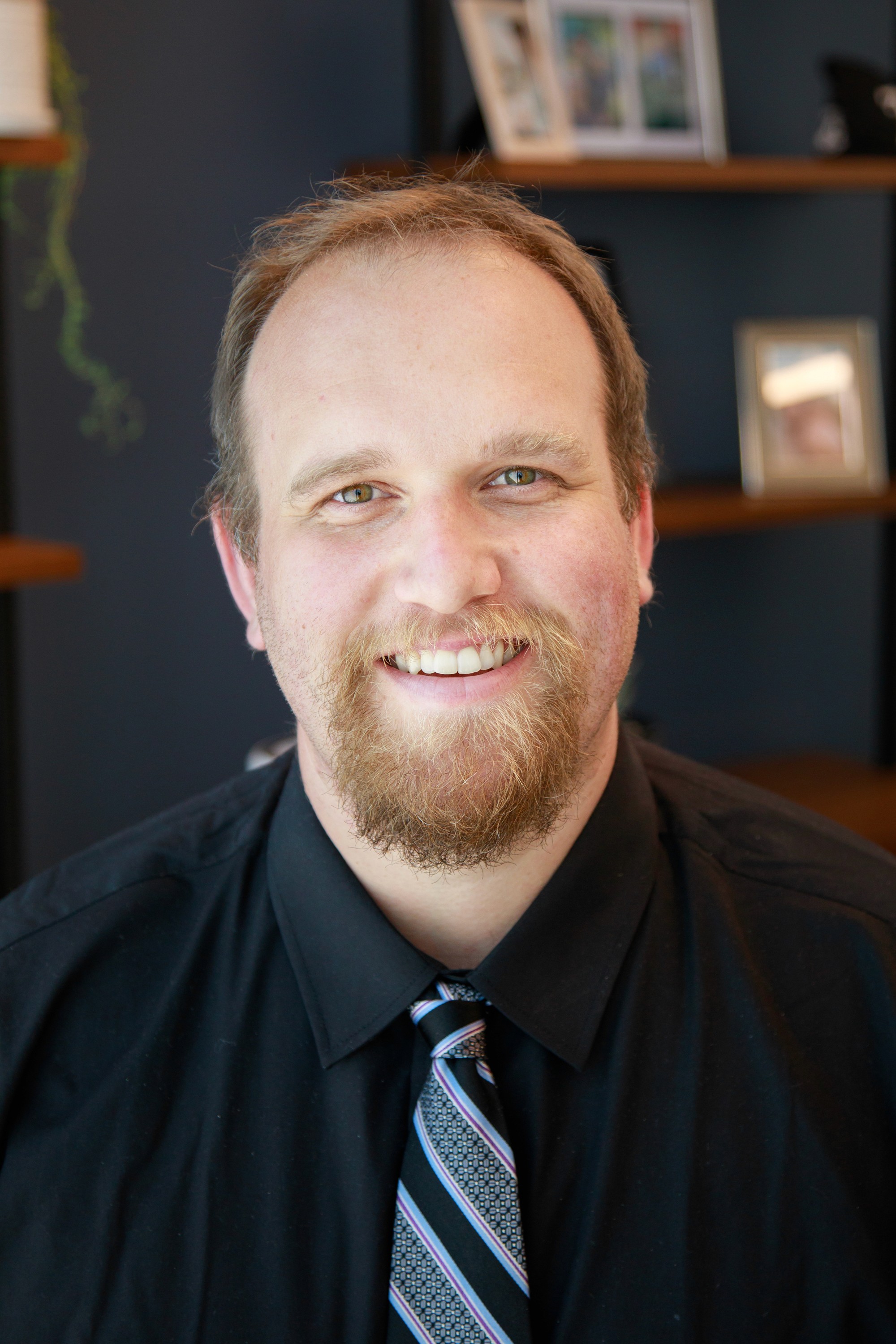
Gabriel Liboiron-Cohen, Doctor of Audiology
A musician can spend years learning to recognise the smallest changes in sound: the colour of a voice, the balance of an ensemble or the way a note carries through a room. When hearing becomes part of a clinical conversation, those details deserve to be understood.
At Berkeley Hearing Center, Dr. Gabriel Liboiron-Cohen brings both musical training and audiology expertise to that conversation. His background as a professional singer gives him a personal connection to the questions musicians bring into the clinic.
For someone who performs, teaches or rehearses regularly, that shared language can be a useful starting point. It makes room to discuss the musical experiences you value, alongside the findings of a hearing evaluation.
Musical experience that informs clinical care
Dr. Liboiron-Cohen holds a doctorate of audiology from the University of the Pacific and a master’s degree in operatic studies from the San Francisco Conservatory of Music. His musical experience includes soloist appearances at Notre Dame de Paris, the Sistine Chapel and St. Peter’s Basilica. His clinical work includes a particular focus on musicians. Learn more about Dr. Liboiron-Cohen’s background.
That background helps explain his understanding of a musician’s listening priorities. Musical listening involves precision: following dynamics, judging articulation, listening to fellow performers and responding to the conductor. A conversation about hearing should leave space for those priorities.
Bring your musical life into the conversation
A singer may want to explain how their own voice sounds. An orchestral player may be concerned about following a stand partner. A teacher may find that a day of lessons creates different listening demands from an evening performance.
These are useful details to bring to an appointment. Describe what you do, where you do it and what has become more difficult. You do not need clinical vocabulary to explain that a familiar piece feels different or that instructions during rehearsal are harder to follow.
Care starts with the whole person
In his clinical work, Dr. Liboiron-Cohen considers the whole patient. Diagnostic and functional testing provide a starting point, followed by a discussion about the person’s life and the situations in which they need to hear.
For musicians, that can mean talking about practice, teaching, performing spaces and communication with other people. The circumstances matter: an orchestra pit, a teaching room and a rehearsal studio each bring their own demands.
This also creates room to talk honestly about previous experiences with hearing care. If amplification has felt unfamiliar or has not met your musical expectations, explain what you noticed. Specific feedback gives the audiologist something concrete to discuss with you.
Perhaps a passage sounds different through your hearing aids, or you feel comfortable in conversation but less confident during rehearsal. Start with a concrete example: the instrument, the setting and the sound you were trying to hear.
Support beyond the first appointment
Dr. Liboiron-Cohen’s approach includes hearing protection and establishing a baseline. These topics can be part of a broader conversation about looking after hearing throughout a musical career, including when someone has questions but has not previously sought advice.
Berkeley Hearing Center’s musician services include musician-focused baseline evaluations, custom high-fidelity hearing protection and support shaped around individual listening priorities. The team’s approach includes understanding a person’s musical life and refining care as they return to their everyday environments.
For a patient, that means the discussion can continue beyond an initial appointment. Bring questions back to the team, explain what you have experienced and make your musical goals part of the conversation. Clear communication helps everyone understand what you are working towards.
Music is personal
The emotional side matters too. For people whose work, confidence or sense of identity is tied to music, discussing hearing can feel like a significant step. An appointment is an opportunity to raise those concerns and explore them with someone who understands why the details are important to you.
You do not have to earn your living through music to care deeply about sound. Singing with a community group, playing an instrument at home or following a favourite orchestra can all be meaningful parts of your life.
Dr. Liboiron-Cohen’s musical background brings a distinctive perspective to his work at Berkeley Hearing Center. His aim is to help make hearing a joyful experience and support people in continuing the activities they love.
If music is an important part of your life, tell us about it. Contact Berkeley Hearing Center to discuss your hearing, your listening priorities and the questions you would like help answering.
More for musicians and music lovers
Gabriel Liboiron-Cohen, Doctor of Audiology

